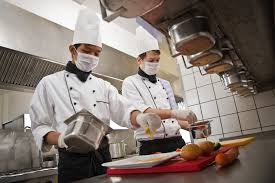
Professional kitchens are fast-paced, dynamic environments where safety must be a top priority. Chefs work with sharp knives, hot surfaces, and open flames daily, making proper training essential for injury prevention. Comprehensive kitchen safety training protects your team, reduces accidents, and ensures compliance with workplace regulations. This guide explores the key components of effective safety training programs for professional chefs.
Understanding common kitchen hazards
Kitchen hazards range from obvious dangers like burns and cuts to less visible risks such as slips, falls, and repetitive strain injuries. Burns occur from hot surfaces, steam, and boiling liquids, while cuts happen from sharp equipment and rough handling. Slips and falls pose significant risks due to wet floors, spilled ingredients, and cluttered pathways throughout the kitchen. Awareness of these hazards is the first step toward preventing injuries in your professional kitchen.
Cross-contamination and foodborne illness represent another critical category of kitchen safety concerns. Staff must understand proper food storage temperatures, separation of raw and cooked foods, and hygiene protocols. Chemical hazards include cleaning products, pesticides, and other substances that can cause serious harm if mishandled. Each hazard requires specific training protocols and preventive measures tailored to your kitchen’s unique environment.
Ergonomic injuries develop gradually from poor posture, repetitive motions, and heavy lifting techniques. Chefs spend hours standing, chopping, and moving heavy pots and pans, leading to back pain, shoulder injuries, and carpal tunnel syndrome. Understanding proper lifting techniques, workstation setup, and taking regular breaks helps prevent these long-term health issues. Proper ergonomics reduces fatigue and improves productivity throughout busy service periods.
A kitchen safety mat provides excellent anti-fatigue support for staff working long shifts in commercial kitchen environments.
Developing effective training programs
Successful kitchen safety training begins with assessing your specific workplace hazards and regulatory requirements. Conduct a thorough audit of your kitchen, identifying high-risk areas and tasks where injuries frequently occur. Develop comprehensive training modules covering hazard recognition, emergency procedures, and safe work practices specific to your operation. Ensure all new staff complete mandatory safety training before working independently in the kitchen.
Training should incorporate both theoretical knowledge and practical demonstrations with hands-on practice. New chefs need time to practise proper knife techniques, safe handling of hot equipment, and emergency procedures under supervision. Use real kitchen scenarios and case studies to illustrate the consequences of unsafe practices. Regular refresher training keeps all staff updated on safety protocols and reinforces good habits throughout employment.
Documentation and record-keeping are crucial components of any effective safety program. Maintain records of all training completed, accidents, near-misses, and corrective actions taken. Create a safety culture where staff feel comfortable reporting hazards and unsafe conditions without fear of repercussions. Encourage open communication between management and kitchen staff about safety concerns and potential improvements continuously.
Accountability mechanisms ensure compliance with safety protocols and motivate staff to prioritise safety. Implement regular safety inspections, audits, and performance reviews that include safety metrics. Recognise and reward teams that maintain excellent safety records with incentives or recognition programs. Leadership must model safe behaviour and demonstrate that safety is valued above speed or production targets consistently.
Incident investigation and reporting strengthen safety systems by identifying root causes and preventing recurrence. When accidents or near-misses occur, conduct thorough investigations without blame, focusing on system improvements. Share findings with all staff, using incidents as valuable learning opportunities. Transparent reporting builds trust and demonstrates that safety improvements result from staff feedback.
Compliance and emergency preparedness
Australian workplace health and safety regulations, governed by state-based legislation and national standards, set minimum requirements for kitchen operations. Familiarise yourself with relevant regulations including manual handling, hazardous substances, and reporting obligations. Regular compliance audits identify gaps in your safety systems and ensure your kitchen meets all legal requirements. Consult with workplace safety professionals to develop tailored compliance strategies for your specific kitchen operation.
Emergency preparedness protects staff and minimises harm when accidents occur. Establish clear procedures for responding to burns, cuts, chemical exposures, and other common kitchen emergencies. Ensure first aid kits are well-stocked, easily accessible, and regularly maintained. Provide first aid training to at least some kitchen staff so help is immediately available during emergencies. Create evacuation procedures and ensure all staff understand what to do in case of fire.
Fire safety equipment including extinguishers, suppression systems, and escape routes must be maintained to current standards. Staff should understand which extinguisher types work for different fire categories and when to evacuate rather than attempt suppression. Regular fire drills and safety reviews ensure staff respond calmly and effectively in emergency situations. Documentation of all safety equipment maintenance ensures compliance and readiness at all times.
In today’s digital kitchen environment, many restaurants use online platforms to document and share safety training with staff. A well-designed mobile friendly website design ensures all staff can access training materials from any device, improving engagement and compliance across your team.
Creating a safety culture
A strong safety culture transforms workplace behaviour and prevents accidents before they happen. When leadership visibly prioritises safety and holds everyone accountable, staff internalise safety as a core value rather than a burden. Celebrate safety achievements, share near-miss reports as learning opportunities, and invest resources in safety improvements. This positive approach builds trust and encourages staff to take ownership of their own safety continuously.
Continuous improvement requires regular evaluation of your safety program’s effectiveness. Analyse accident data to identify trends and areas for improvement. Seek feedback from kitchen staff about safety concerns and potential hazards they notice. Implement changes based on this feedback, demonstrating to your team that their input matters and leads to real improvements.
Mental health and fatigue management are often overlooked aspects of kitchen safety. Long shifts, high-pressure environments, and physical demands contribute to fatigue, which impairs decision-making and increases accident risk. Implement reasonable scheduling practices, provide adequate break times, and support mental health initiatives. A healthy, well-rested team makes better safety decisions and works more effectively under pressure.
Investment in safety technology and equipment demonstrates management commitment to protecting staff. Modern kitchen equipment with enhanced safety features reduces hazard exposure for all personnel. Regular equipment maintenance ensures devices function safely and reliably throughout their operational life. Staff training on new technology maximises safety benefits and operational efficiency for everyone involved.
External resources and professional support strengthen kitchen safety programs significantly. Engage workplace health and safety advisors for expert guidance on compliance and best practices. Access industry-specific training programs and materials designed for professional kitchen environments. Connect with industry associations that provide safety resources and peer learning opportunities with other food service professionals.