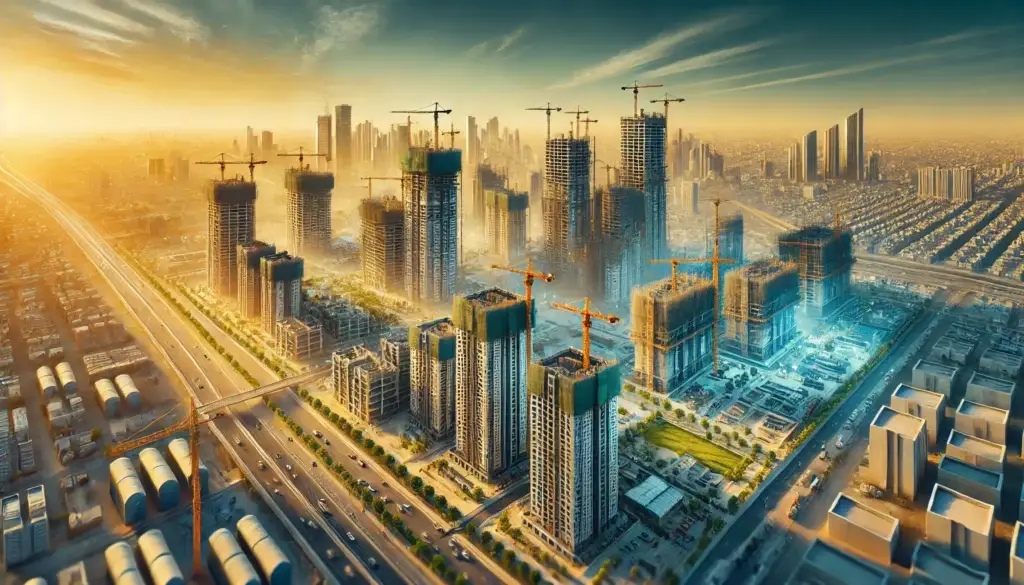
Modern homebuyers are exerting unprecedented influence on the real estate market, prompting a wave of innovation in home design, technology, and community planning. Today’s buyers are not just looking for places to live—they’re shaping what it means to own a home in a rapidly evolving world. As these preferences redefine market dynamics, both buyers and industry professionals must keep pace with ongoing changes and emerging opportunities. If you’re searching for your next home, exploring the latest listings like Los Altos CA homes for sale could reveal the perfect example of these modern trends in action.
Modern homebuyers expect more, blending smart tech, eco-friendly designs, and flexible layouts due to changing lifestyles and economic factors. They seek homes that offer comfort, style, investment value, and adaptability. Builders and neighborhoods are responding with innovative solutions. External factors, such as technology and sustainability, are further transforming the housing market, a trend projected to continue growing and reshaping the industry.
Sustainability and Smart Technology
Sustainability is at the forefront of buyers’ concerns, with eco-friendly homes experiencing a surge in popularity. Today’s homebuyers, especially Millennials and Gen Z, are demanding features such as solar panels, energy-efficient appliances, and sustainable building materials. These features not only protect the environment but also reduce monthly living costs, making homes more affordable in the long term.
Smart home technology is another priority. Automated lighting, security systems, and thermostats offer unparalleled convenience and control, while built-in connectivity and app integrations make modern living seamless. Beyond individual homes, buyers are seeking neighborhoods with green infrastructure—such as bike lanes, parks, and accessible public transportation—to reduce carbon footprints community-wide.
Multi-Generational Living
The shift toward multi-generational living is transforming home layouts and market offerings. Economic pressures, longer life expectancies, and a desire for familial closeness have led to an increasing number of families choosing to live together. Builders are responding with floor plans that feature private suites, in-law apartments, and flexible spaces, serving both communal gatherings and individual privacy.
This trend is not limited to traditional families. Diverse household structures, including those with adult siblings, friends, and caregivers, are seeking homes that cater to their collective needs. Modern designs facilitate aging in place, childcare, and mutual support, reflecting a recognition of evolving family dynamics and economic realities.
Economic Factors and Buyer Demographics
Rising home prices, mortgage rates, and inflation have changed buyer demographics. The median age for first-time buyers has increased as many delay purchases due to high costs, relying more on family help or co-buying. This shift widens the generational wealth gap and highlights the need for innovative financing. Axios reports that 38% of U.S. homebuyers under 30 rely on family assistance for down payments, a phenomenon termed “nepo-homebuyers.”
Design Preferences and Functional Spaces
Modern buyers favor earth-toned color palettes, natural materials, and layouts that blur the distinction between indoor and outdoor living spaces. Large windows, open floor plans, and features like decks, patios, and courtyards are highly desirable, creating spaces that foster relaxation and enhance connections to nature.
Functionality is key: Homebuyers want adaptable spaces that serve as everything from offices to playrooms, reflecting the fluid demands of hybrid work and school environments. These preferences have driven up demand for homes with versatile layouts and well-designed communal areas.
Urban and Suburban Blending
Increasingly, homebuyers are seeking communities that strike a balance between the vibrancy of urban life and the tranquility of suburban living. Developments that combine proximity to city amenities with green spaces, walking trails, and quiet residential streets are highly sought after.
Builders are developing mixed-use neighborhoods that feature single-family homes, apartments, and townhomes all within walking distance of shops, restaurants, and public transportation. This “best of both worlds” approach is designed to attract buyers who are savvy about lifestyle and value.
Co-Buying and Non-Traditional Ownership Models
Co-buying—purchasing a home with friends, siblings, or other non-traditional partners—is on the rise. Economic challenges, changing attitudes toward marriage, and the desire for community are all motivating factors. This model enables buyers to share costs, build wealth, and create supportive living environments that transcend the traditional nuclear family paradigm.
Innovative real estate companies now cater to co-buyers, helping them set up legal and financial agreements. While the path can be complex, many participants view co-buying as a viable alternative to renting and a new approach to addressing affordability concerns in high-cost markets.
Builders’ Response to Market Demands
Homebuilders are actively adjusting their strategies by offering incentives such as price cuts, closing cost contributions, and free design upgrades to attract buyers in a competitive landscape. These tactics help buyers offset higher interest rates and make new homes more accessible.
Some builders are offering rate buydowns, which reduce mortgage rates for the initial years or even for the life of the loan. By responding to buyer needs with greater value and flexibility, the industry ensures continued demand for new construction despite economic uncertainty.
Conclusion
Modern homebuyers are setting bold new expectations for sustainability, technology, adaptability, and community in the real estate market. Their preferences are driving significant shifts across home design, financing, and ownership models, compelling industry professionals to continually innovate. For those entering the market, staying informed and flexible will ensure success in navigating this new era of homeownership.