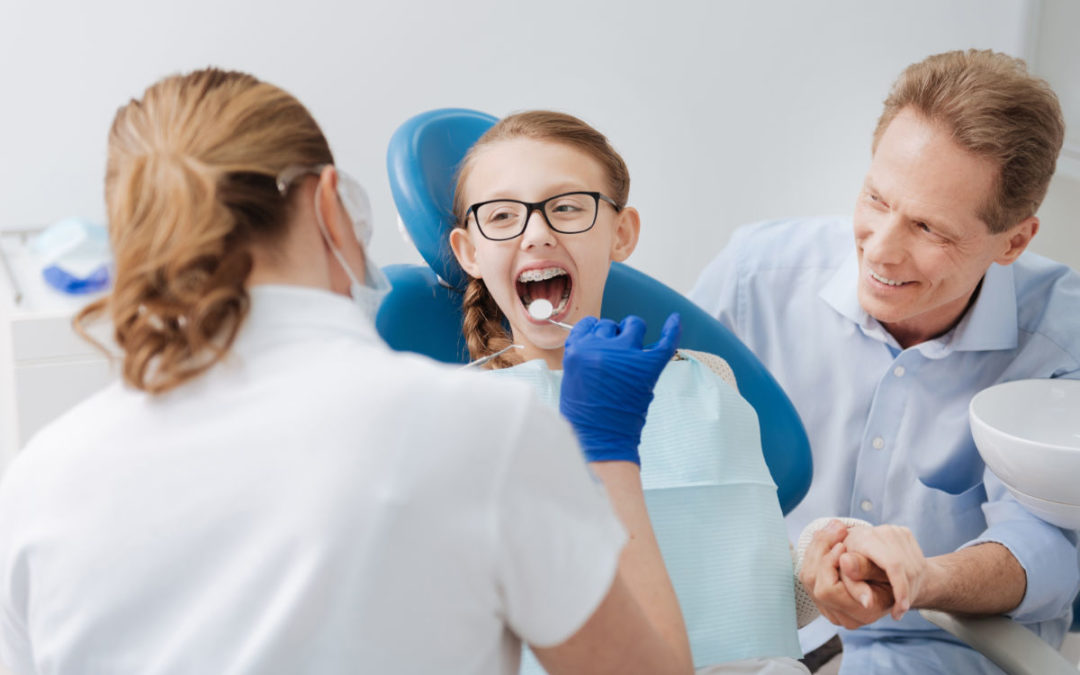
You might be thinking about a brighter smile for yourself, a chipped tooth for your teen, or a small change that could help you feel more at ease in photos. At the same time, you may not want to bounce between different offices, explain your history again and again, or wonder whether a cosmetic fix makes sense for your long term oral health. That tension is real. You want something that looks good, but you also want care that fits your family’s bigger picture with a family dentist in Cascade, MI.
That is why cosmetic dentistry in a family practice makes so much sense. When your dentist already knows your dental history, your bite, your habits, and your goals, cosmetic care becomes more thoughtful and more practical. It is not just about appearance. It is about function, comfort, timing, and making choices that support your whole family over time.
Why does cosmetic dentistry work better when your family dentist already knows you?
A smile is never separate from the rest of your oral health. Whitening may seem simple, but it can affect sensitive teeth. Bonding may improve a small chip, but it also has to fit your bite. Veneers can look beautiful, but they should be planned around gum health, enamel strength, and long term maintenance. When your family dentist has cared for you over time, those details are not guesswork.
Because of that continuity, treatment tends to be more personal. A family practice often sees the full story. Maybe your child has enamel wear from grinding. Maybe you have old fillings that show when you smile. Maybe a parent in your household wants to improve appearance but also needs work that makes chewing easier. In each case, cosmetic care is stronger when it is tied to prevention and routine care, not separated from it.
This matters more than many people realize. The National Institute of Dental and Craniofacial Research explains in its Oral Health in America report that oral health is closely linked to quality of life, daily function, and overall well being. A healthy smile is not only cosmetic. It affects how you eat, speak, and feel about yourself.
What problems can happen when cosmetic dental care is separated from family care?
Sometimes people go straight to a cosmetic focused office for one issue, hoping for a quick improvement. That can work in some cases, but it can also create blind spots. If a dentist does not know your history, they may not see patterns that matter. A whitening treatment may be uncomfortable if gum recession has been building for years. A bonding repair may chip again if bite pressure is the real issue. A smile makeover may look nice at first, yet ignore the everyday habits that affect durability.
So, where does that leave you? Usually with more appointments, more cost, and more uncertainty. It can also be harder for parents who are already managing school schedules, sports, routine cleanings, and dental anxiety in the household. A family setting often lowers that stress because everyone can be treated in one familiar place, with one team that understands how each decision fits the next.
That idea lines up with the value of a dental home. The American Academy of Pediatric Dentistry describes the dental home as an ongoing relationship that supports care that is accessible, coordinated, and family centered in its policy on the dental home. Even though that concept is often discussed for children, the same comfort and continuity help adults too.
How can cosmetic care in a family practice support both appearance and health?
Good cosmetic care should never ignore the basics. It should build on them. A family practice can watch changes over time and recommend the right moment for treatment. For one person, that may mean whitening after a cleaning and exam. For another, it may mean fixing worn edges with bonding after addressing grinding. For a teen, it may mean waiting until growth and alignment are more stable before making cosmetic changes.
The broader public health view supports this approach. The section summary from NIDCR on oral health across the lifespan shows that oral conditions and needs change with age, habits, and access to care. In other words, timing matters. Cosmetic treatment is not one size fits all, and family practices are built to follow those life stages closely.
What should you compare before choosing cosmetic dental treatment?
If you are weighing options, it helps to look beyond the surface. The question is not only, “Will this improve my smile?” It is also, “Will this choice fit my health, budget, and daily life?”
| Consideration | Cosmetic Care in a Family Practice | Separate Cosmetic Only Setting |
| Knowledge of your history | Often includes years of records, exams, and bite changes | May rely on a shorter review or transferred records |
| Treatment planning | Can connect appearance goals with cleanings, fillings, gum care, and prevention | May focus more narrowly on the cosmetic concern |
| Family convenience | One office for multiple ages and needs | Often requires added scheduling and coordination |
| Long term follow up | Regular visits make it easier to monitor wear, staining, and repairs | Follow up may be less integrated with routine care |
| Value over time | Can reduce repeat work by planning around function and oral health | Short term cosmetic gains may need more correction later if root issues remain |
What can you do right now if you are considering smile improvements for your family?
1. Start with a full exam and a real conversation.
Before choosing whitening, bonding, veneers, or reshaping, ask for an exam that looks at gum health, old dental work, enamel wear, and bite alignment. Then talk openly about what bothers you. Sometimes the best answer is smaller and simpler than you expected.
2. Ask how the cosmetic plan fits your long term care.
A thoughtful provider should explain not only how something will look, but how long it may last, what upkeep it needs, and whether it could affect future treatment. That is especially helpful when you are balancing needs for both adults and kids in one household.
3. Think in stages, not in one big leap.
You do not have to do everything at once. A smart plan may begin with preventive care, then move to whitening, then repair one or two visible concerns. This often protects your budget and leads to better, more lasting results. It is one reason many people prefer esthetic dentistry within an ongoing family care relationship.
So why does this approach feel more reassuring for so many families?
Because it respects the whole person, not just the one tooth or one photo you are worried about. Cosmetic dental work can be meaningful. It can help you smile more easily, feel more confident at work, or help your child feel less self conscious. But the best results usually come when beauty and health are planned together.
If you are exploring smile improvements, consider starting with your regular dental home and asking how cosmetic options can fit into your broader care. A trusted family practice can help you make choices that look natural, feel comfortable, and support your oral health for the long run.