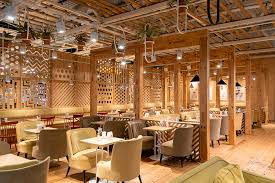
Restaurant fitouts represent significant capital investments that directly impact customer experience, operational efficiency, and profitability. Poor planning leads to cost overruns, construction delays, and suboptimal layouts that hinder daily operations. A well-executed fitout creates inviting spaces, streamlines workflows, and positions your restaurant for success. This comprehensive guide walks you through the essential planning stages for your restaurant renovation or new build project.
Defining your vision and budget
Begin with a clear vision of your restaurant concept, target market, and desired atmosphere. Consider your menu type, service style, and customer expectations when conceptualising the space. Develop a realistic budget covering construction, equipment, furnishings, permits, and contingencies for unexpected costs. Allocate approximately twenty to thirty percent contingency funds to handle surprises that inevitably arise during construction.
Market research informs your design choices and helps differentiate your restaurant from competitors. Study successful restaurants in your area and beyond, identifying design elements that resonate with your target demographic. Consider current trends while ensuring your design will remain attractive beyond the immediate future. Balance trendy elements with timeless design principles to create a restaurant that feels contemporary.
Financial planning must account for all fitout costs plus operational expenses during construction. Restaurants can lose revenue during renovations, so budget accordingly for extended closures if undertaking major refurbishments. Factor in ongoing costs like licensing, permits, and inspections. Consult with experienced restaurant fitouts Wollongong professionals who can provide accurate cost estimates and realistic timelines.
Return on investment calculations should guide your spending decisions on different fitout elements. Prioritise investments that directly impact customer experience and operational efficiency. Balance between necessary investments and cost-saving measures without compromising quality or brand positioning. Develop a detailed budget breakdown allocating funds to each project category.
Financing options affect the overall cost and timeline of your fitout project. Explore bank loans, equipment leasing, and investment partnerships to optimise financing. Understand the cash flow implications of different financing arrangements. Work with accountants and financial advisors to develop sustainable funding strategies for your restaurant renovation.
Layout and workflow design
Restaurant layout profoundly affects operational efficiency, customer experience, and staff satisfaction. Design workflows that minimise distances between key areas, reducing time and effort for kitchen and service staff. Separate dirty dish areas from clean food preparation zones to maintain hygiene standards. Position service stations conveniently for waitstaff to access supplies, water, and point-of-sale systems without disrupting customer dining.
Customer flow patterns should guide guests naturally from entry to seating areas, avoiding congestion at bottlenecks. Design dining areas to maximise seating capacity while maintaining appropriate spacing between tables for privacy and comfort. Kitchens must accommodate all food preparation, cooking, and plating without overcrowding that stresses staff during service. Plan adequate storage for ingredients, equipment, and supplies based on your menu and ordering patterns.
Accessibility compliance ensures your restaurant welcomes all customers and complies with disability discrimination legislation. Include accessible parking nearby, accessible entry without steps, and accessible restroom facilities. Design dining areas with space for mobility devices and appropriate table heights for wheelchair users. Accessible design benefits not only customers with disabilities but also families with prams and elderly customers with mobility challenges.
Acoustic design prevents excessive noise levels that detract from the dining experience and stress staff. Hard surfaces like tile and exposed concrete reflect sound, creating loud environments, while soft furnishings and acoustic panels absorb sound waves. Strategic placement of sound-absorbing materials reduces kitchen noise transmission to dining areas. Proper acoustic design creates a pleasant atmosphere that encourages longer stays and positive reviews.
Ventilation and air quality systems are essential for kitchen operations and customer comfort. Design ventilation that removes cooking odours and maintains appropriate indoor air quality. Install grease filters and ductwork that facilitate easy cleaning and maintenance. Proper ventilation design ensures code compliance and creates a pleasant dining environment.
Selection of materials and equipment
Material selection balances aesthetic appeal, durability, maintenance requirements, and cost considerations. Flooring must withstand heavy foot traffic, spills, and frequent cleaning without becoming slippery when wet. Walls require easy-clean finishes that resist grease splatter and staining from food and beverages. Ceiling materials must allow easy cleaning and accommodation of ventilation, electrical, and plumbing systems without appearing industrial or unfinished.
Kitchen equipment selection drives workflow efficiency and productivity. Invest in commercial-grade equipment appropriately sized for your menu and customer volume. Consider energy-efficient options that reduce operating costs despite higher upfront expenses. Plan equipment placement to support logical workflows, with prep areas near storage, cooking equipment centralised, and plating stations near service areas.
Furnishings and décor contribute significantly to your restaurant’s ambiance and customer experience. Select tables and chairs that match your concept while offering comfort for guests dining for extended periods. Lighting design creates appropriate mood and functionality, with brighter task lighting in service areas and atmospheric lighting in dining spaces. Investment in quality furnishings creates professional appearance and durability that survives years of heavy use.
When planning your restaurant’s online visibility and marketing strategy, understanding broken link building techniques can help improve your restaurant’s search engine rankings and draw more customers to your business.
Technology integration enhances customer experience and operational efficiency. Consider point-of-sale systems, reservation software, and customer management tools. Plan electrical and data infrastructure to support current technology and future upgrades. Invest in systems that improve efficiency without complicating operations for your staff.
Project management and timeline
Successful fitouts require excellent project management coordinating multiple contractors, suppliers, and stakeholders. Establish clear communication channels, regular progress meetings, and detailed documentation of decisions and change orders. Develop a realistic timeline accounting for permit acquisition, material lead times, and construction phases. Building buffer time into schedules accommodates inevitable delays without derailing overall project completion.
Building and planning permits are essential before commencing construction and cannot be rushed. Submit complete applications with detailed plans, securing all necessary approvals before breaking ground. Inspections at various construction stages ensure compliance with building codes and safety regulations. Failure to obtain proper permits creates liability risks and complicates future sales or refinancing of the property.
Quality assurance throughout the construction process prevents expensive mistakes and ensures your vision is realised. Regular inspections by management catch problems early when corrections remain relatively simple. Maintain records of all work completed, materials installed, and approvals obtained. Schedule a final walkthrough before project completion, verifying all elements meet specifications and are functioning properly before final payment.
Staff training on new equipment and layout is essential before reopening to customers. Conduct thorough training sessions covering new systems, safety procedures, and operational workflows. Dry runs with staff help identify problems and opportunities for improvement before serving customers. Soft openings with invited guests provide final opportunities to refine service and address issues before full public opening.
Post-opening support and follow-up ensure your fitout investment delivers expected results. Address any remaining issues or deficiencies in the weeks following opening. Collect feedback from staff and customers about the space and functionality. Document lessons learned for future improvements or expansions.