Starting a painting job without correctly estimating the amount of paint needed can cause disappointment and added costs. Out of paint during a project halts productivity, increases downtime, and causes color disparities. On the other hand, purchasing additional paint is inefficient and leads to supplies that will remain unused. The simplest method to avoid these problems is by utilizing a paint calculator. This convenient tool helps you accurately calculate the amount of paint required for your home renovation task to save time, reduce waste, and ensure proper coverage for your walls, ceiling, and trim.
The Value of Perfect Paint Estimation
An effective and cost-saving painting endeavor depends on purchasing the right quantity of paint. Overpurchasing results in wasted funds and excess materials, while underestimation results in delays and lack of coverage.
A paint calculator solves these problems by providing precise estimates based on surface area, paint type, and number of coats. Using a paint coverage calculator, you can have total coverage without excess spending or disruptions.
How a Paint Calculator Provides Perfect Coverage
Working with a paint calculator is easy and provides reliable results:
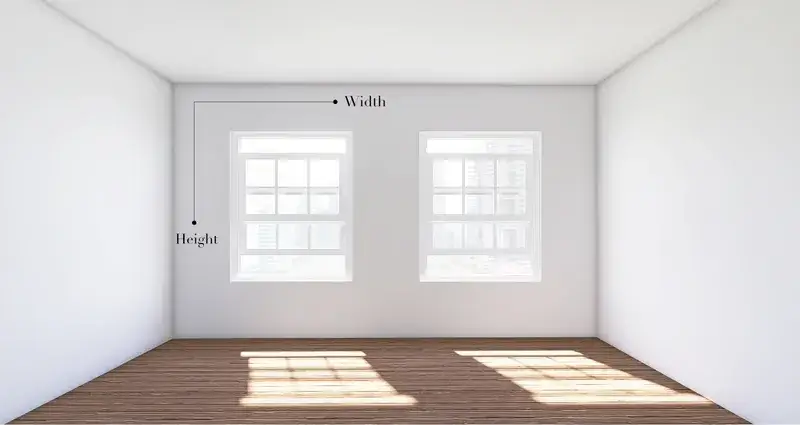
- Take the height and width of each wall to be painted.
- Multiply these measurements to determine the total square footage.
- For walls that are not all the same, sum up the individual quantities for an overall total.
- Deduct areas are covered by windows, doors, and other features that will not be painted.
By inputting these figures into the paint calculator, you will get the exact amount of paint needed. Most calculators also provide for the entry of quantity of coats and paint type, so the estimate will meet your project’s exact requirements.
Painting Different Surfaces
Different surfaces take different quantities of paint, and a calculator can take these into account with added accuracy:
- Smooth interior walls typically need less paint.
- Textured surfaces like stucco or brick tend to require more paint.
- Ceilings, trim, and accent details, which can involve specialized paints, also require independent calculations.
A paint calculator will make sure you buy the appropriate amount for each type of surface, ensuring even coverage and a professional finish on all the painted surfaces.
The Major Benefits of a Paint Calculator
A paint calculator provides many advantages to enhance your painting experience:
- It prevents running out by allowing your project to go smoothly without sudden delays.
- It prevents overbuying, which saves you money by ensuring that you only buy what you need.
- It reduces waste, aiding in eco-friendly practices through correct estimates.
- It enables more efficient project scheduling by giving clear requirements, enhancing efficiency, and cutting down on stress.
Tips for Maximizing Paint Calculator Accuracy
To achieve the most accurate outcomes:
- Utilize a tape measure to take precise measurements of trim, ceilings, and walls.
- Include unpainted spots like windows, doors, and installed features.
- For multi-color jobs, compute each color individually.
- Round your estimate a bit to cover touch-ups or unexpected surface irregularities.
By using these guidelines, you can make sure to buy the right amount of paint for your job and be able to trust the calculator’s result.
A paint coverage calculator is a vital component for obtaining perfect coverages and preventing deficiencies in your home painting work. Using accurate calculations and planning, you can proceed with confidence, attain beautiful results, and beautify your living place.