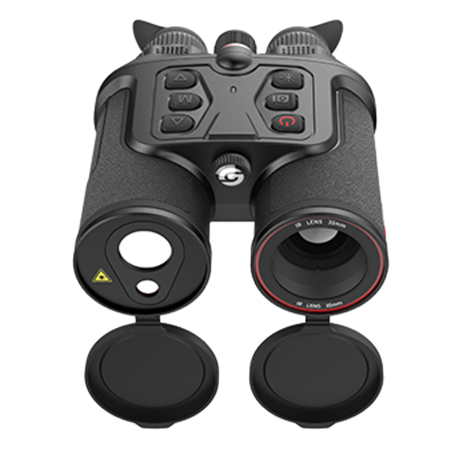
Thermal imaging technology has changed the way hunters track, observe, and identify wildlife in low-light or no-light environments. With thermal imaging binoculars for hunting, you can detect heat signatures even through light brush, fog, or total darkness, giving you a major advantage in the field. Whether you’re a seasoned hunter or just getting started with thermal optics, knowing how to use your equipment correctly is essential. If you’re searching for the best cheap thermal binoculars, understanding practical techniques will help you get the most out of your budget-friendly setup. For hunters looking for reliable, high-performing, and field-tested optics, Guideoutdoor offers some of the top options in the market.
Below are expert tips to help you maximize accuracy, clarity, and efficiency when using thermal imaging binoculars during your hunts.
Understanding How Thermal Imaging Binoculars Work
Before applying advanced techniques, it’s important to understand what thermal binoculars do. Unlike night-vision devices that rely on ambient light, thermal binoculars detect heat signatures emitted by animals, humans, and objects. These signatures appear as contrasting colors on the display. Brands like Guideoutdoor have optimized this technology to deliver sharp thermal imaging, even on cost-effective models designed for hunters seeking the best cheap thermal binoculars.
Adjust the Sensitivity Settings for Better Target Detection
Sensitivity—or gain—determines how much thermal variation the device displays. High-sensitivity settings highlight even small temperature changes, which is ideal for detecting animals hiding in thick vegetation. Lower sensitivity reduces background clutter, making it easier to spot larger animals.
Pro Tip:
Start on a medium sensitivity setting. Lower it in warm environments and increase it in cold conditions. Guideoutdoor models feature adjustable sensitivity modes for different hunting environments.
Master the Use of Color Palettes
Thermal imaging binoculars for hunting often include multiple color palettes, such as White Hot, Black Hot, Red Hot, and Fusion. Each palette enhances visibility depending on the terrain and target type.
Pro Tip:
White Hot is best for general hunting, while Black Hot is preferred when tracking animals at long distances. Red or colored palettes help identify heat differences quickly when scanning wide areas. Guideoutdoor’s thermal binoculars provide several color modes that help refine target detection.
Scan Slowly and Strategically
One of the most common mistakes new hunters make is moving the binoculars too quickly. Scanning fast can cause you to miss small or partially hidden heat signatures.
Pro Tip:
Scan in slow, controlled horizontal sweeps. Pause occasionally to check for movement or glowing heat patches. Thermal technology highlights even minimal motion, which helps when animals are resting or camouflaged.
Use the Zoom Wisely to Avoid Image Distortion
Digital zoom on thermal binoculars enlarges the picture but can reduce clarity if overused. Over-zooming often distorts crucial details such as animal shape or direction of movement.
Pro Tip:
Start at base magnification to locate targets. Once detected, zoom in only enough to verify details. Guideoutdoor binoculars are engineered for balanced optical and digital zoom, helping you maintain clarity while observing at mid to long range.
Take Advantage of Image Enhancement Features
Most thermal imaging binoculars, especially those from Guideoutdoor, include features like noise reduction, image sharpening, and contrast enhancement. These functions improve clarity in difficult environments.
Pro Tip:
Activate image enhancement modes when hunting in fog, early morning cold, or high-humidity conditions. This helps produce crisp outlines and accurate shapes.
Understand How Weather Impacts Thermal Imaging
The environment plays a major role in how well your thermal binoculars perform. Rain, fog, and humidity can scatter infrared energy, while cold temperatures can increase contrast.
Pro Tip:
Use Guideoutdoor’s advanced weather-optimized settings to maintain consistent performance. Cooler nights produce the highest contrast between animals and their surroundings.
Learn to Identify Animal Shapes, Not Just Heat Signatures
Thermal devices show heat, not actual details of fur, color, or physical features. That means successful hunting with thermal optics requires learning to interpret size, movement patterns, and silhouettes.
Pro Tip:
Practice distinguishing between deer, wild boar, coyotes, and other animals by studying their heat outlines. Guideoutdoor’s high-resolution binoculars make training easier thanks to their crisp imaging.
Use Thermal for Tracking and Recovery
One of the biggest advantages of thermal imaging binoculars for hunting is their ability to track wounded game. Heat signatures remain detectable long after the initial shot.
Pro Tip:
Follow the heat trail from ground disturbances, footprints, and body warmth. Even blood traces can emit slight thermal differences. Guideoutdoor devices are excellent for post-shot recovery due to precise thermal sensitivity.
Conserve Battery to Extend Field Time
Thermal binoculars consume a lot of power, especially when using high refresh rates or video recording. Running out of battery during a hunt is the last thing you want.
Pro Tip:
Lower the screen brightness, use power-saving modes, and carry an external battery pack. Guideoutdoor models are designed for long battery life, making them ideal for extended nighttime hunts.
Use a Stable Position for Long-Range Spotting
The farther you want to observe, the more stable your hands must be. Even small shakes can blur distant heat signatures.
Pro Tip:
Use a tripod mount or shooting stick when glassing open fields or hillsides. Some Guideoutdoor binoculars include tripod compatibility for this purpose.
Practice Frequently Before Field Use
Thermal devices are powerful tools, but they require practice for effective hunting. Familiarity builds confidence and sharpens your detection skills.
Pro Tip:
Train in different lighting conditions, weather environments, and terrains. The more you use your device, the more effective you’ll be at spotting animals in real hunts.
Know Your Local Hunting Regulations
Some regions restrict the use of thermal imaging binoculars for hunting, particularly at night. Always check the laws in your area.
Pro Tip:
Use Guideoutdoor’s official website as a resource for understanding proper and ethical usage of thermal imaging technology.
Final Thoughts
Thermal optics have become essential tools for modern hunters, offering unmatched visibility in complete darkness and challenging terrain. Whether you’re investing in premium gear or searching for the best cheap thermal binoculars, mastering these tips will significantly improve your success. With Guideoutdoor’s dependable and high-performance thermal imaging binoculars for hunting, you gain the confidence and clarity needed for every outing.