Introduction: The Digital Transformation of Education
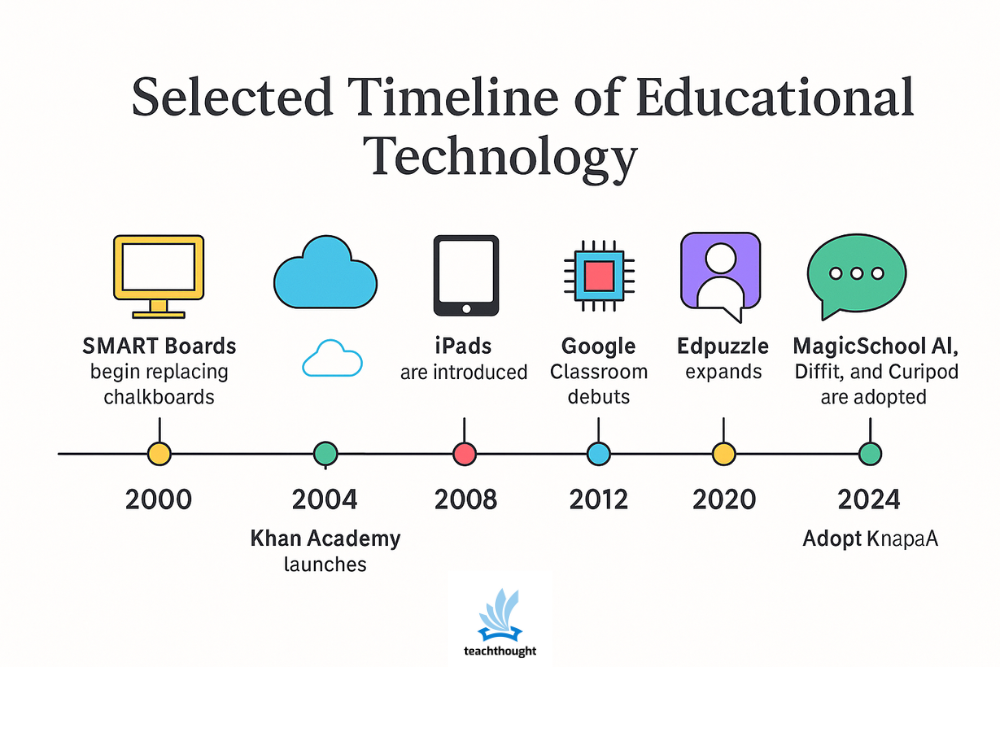
The landscape of education has undergone a remarkable transformation over the past decade, primarily driven by the integration of tech into traditional classroom settings. This digital revolution has fundamentally altered how educational content is delivered, how students engage with learning materials, and how educators approach their pedagogical practices. From interactive whiteboards to artificial intelligence-powered learning platforms, technology has become an indispensable component of modern education, offering unprecedented opportunities to enhance teaching methodologies and learning outcomes.
The Impact of Technology on Learning Environments
Reimagining the Physical Classroom
Technology has redefined the concept of the classroom itself. No longer confined to four walls with rows of desks facing a chalkboard, today’s learning environments are flexible, interactive spaces designed to facilitate collaboration and personalized learning experiences. Smart classrooms equipped with projection systems, sound enhancement technology, and internet connectivity have become the standard rather than the exception in many educational institutions.
Virtual Learning Spaces
Beyond physical transformations, technology has enabled the creation of virtual learning environments that transcend geographical limitations. Learning management systems (LMS) like Canvas, Google Classroom, and Moodle have established digital extensions of the traditional classroom, providing spaces for content delivery, assignment submission, and class discussions that can be accessed anytime, anywhere.
Empowering Educators Through Technology
Teachers are at the forefront of this educational evolution, navigating the complex intersection of pedagogy and technology. The most effective educators recognize that technology is not merely an add-on but a powerful tool that, when wielded skillfully, can significantly enhance their teaching practices. Professional development opportunities focused on digital literacy and technology integration have become essential for educators striving to remain effective in increasingly technology-rich learning environments.
From Tech Consumers to Digital Creators
Today’s educators are no longer limited to being consumers of educational technology. Many have embraced roles as content creators, developing digital resources tailored to their students’ specific needs. Whether designing interactive presentations, creating instructional videos, or developing digital assessments, teachers are leveraging technology to craft engaging learning experiences that resonate with digital-native students.
Streamlining Administrative Tasks
Beyond instructional applications, technology has revolutionized how teachers manage administrative responsibilities. Digital grade books, attendance systems, and communication platforms have streamlined previously time-consuming tasks, allowing educators to dedicate more time to instruction and student support. This shift has significantly improved efficiency in educational administration and communication with stakeholders.
Personalized Learning: The Promise of Educational Technology
One of the most transformative aspects of technology in education is its capacity to facilitate personalized learning experiences. Adaptive learning platforms use sophisticated algorithms to assess students’ strengths, weaknesses, and learning styles, then adjust content delivery accordingly. This level of customization was practically impossible in traditional educational models.
Meeting Diverse Learning Needs
Educational technology offers unprecedented opportunities to address diverse learning needs. Students with different abilities, learning styles, and background knowledge can engage with content in ways that best suit their individual requirements. This adaptability has proven particularly valuable for students with learning disabilities, who can now access assistive technologies that remove barriers to educational content.
Data-Driven Instruction
Technology has enabled a shift toward data-driven instructional practices. Digital learning platforms generate comprehensive analytics that provide insights into student performance, engagement levels, and learning patterns. Armed with this information, teachers can make informed decisions about instructional strategies, interventions, and curriculum adjustments to optimize learning outcomes for all students.
Challenges and Considerations in Educational Technology Integration
Despite its transformative potential, the integration of technology in education comes with significant challenges. The digital divide—inequitable access to technology and reliable internet connectivity—remains a pressing concern that threatens to exacerbate existing educational disparities. Schools in economically disadvantaged communities often lack the resources to implement comprehensive technology solutions, creating a gap between technology-rich and technology-poor educational environments.
Balancing Screen Time
As technology becomes increasingly prevalent in education, finding the appropriate balance between digital and non-digital learning experiences has emerged as a critical consideration. Excessive screen time has been linked to various health concerns, including eye strain, disrupted sleep patterns, and reduced physical activity. Educators must thoughtfully integrate technology in ways that enhance rather than detract from student wellbeing.
Ensuring Digital Literacy and Citizenship
The proliferation of digital tools in education necessitates a parallel emphasis on digital literacy and citizenship. Students must develop not only the technical skills to navigate digital environments but also the critical thinking abilities to evaluate online information, protect their privacy, and engage responsibly in digital communities. Educational technology integration must include explicit instruction in these essential competencies.
Future Trajectories: Emerging Technologies in Education
As we look toward the future, several emerging technologies promise to further revolutionize educational practices. Artificial intelligence is poised to transform personalized learning through increasingly sophisticated adaptive systems that can predict student needs and automatically adjust instructional approaches. Virtual and augmented reality technologies offer immersive learning experiences that can make abstract concepts tangible and bring historical events to life.
The Rise of Microlearning and Gamification
Microlearning—delivering content in small, focused units—and gamification—incorporating game elements into educational activities—represent innovative approaches to engagement that leverage technology to enhance motivation and knowledge retention. These strategies align with research on attention spans and learning psychology, offering promising directions for educational technology development.
Preparing Students for a Technology-Driven Future
Perhaps most importantly, educational technology equips students with the digital skills that will be essential in their future personal and professional lives. In a world where technological fluency is increasingly fundamental to employment opportunities, education must embrace technology not just as a means of instruction but as a critical component of student preparation for life beyond the classroom.
Conclusion: A Balanced Approach to Educational Technology
The integration of technology in education represents both tremendous opportunity and significant responsibility. When implemented thoughtfully, with clear pedagogical purposes and attention to equity, technology can enhance teaching effectiveness, increase student engagement, and prepare young people for success in a digital world. However, technology alone cannot address all educational challenges or replace the fundamental human connections that underlie effective teaching and learning.
The most successful educational approaches will likely combine technological innovation with timeless pedagogical wisdom, leveraging digital tools to enhance rather than replace effective teaching practices. As we navigate this complex landscape, maintaining a focus on educational outcomes rather than technological novelty will be essential. The ultimate measure of educational technology’s value lies not in its sophistication but in its contribution to meaningful learning experiences that prepare students to thrive in an increasingly complex and connected world.