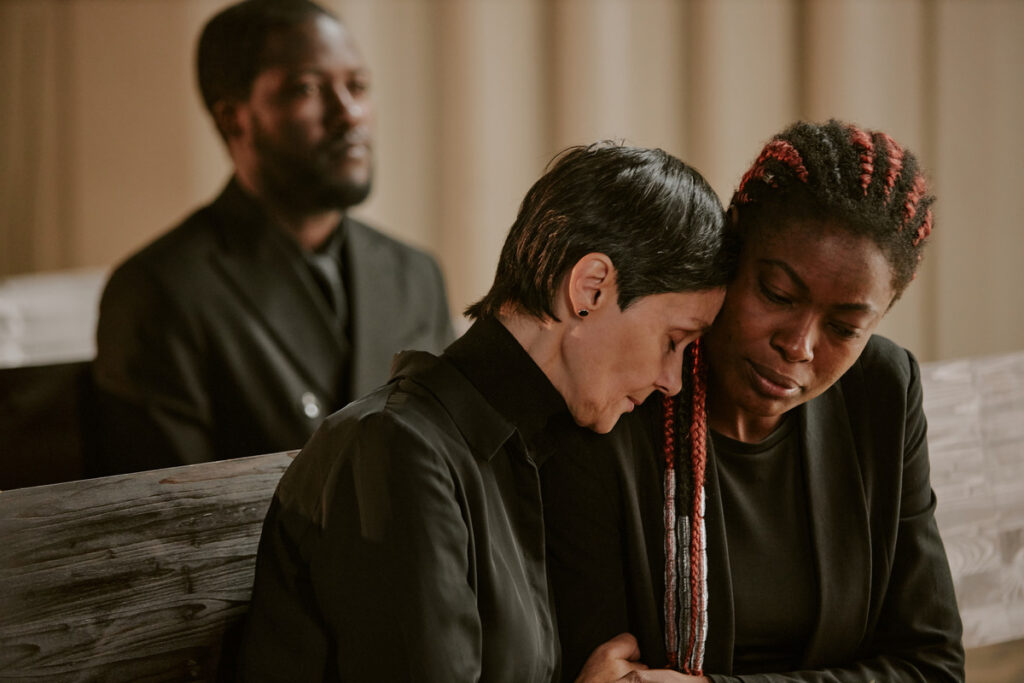
You may still be replaying the hospital stay in your head, the conversations, the delays, the chart notes that did not make sense, the moment you realized something had gone terribly wrong. Grief alone is hard enough. Grief mixed with doubt, anger, and unanswered questions is heavier. When a death may have been caused by a medical mistake, families often feel pulled in two directions at once. You want space to mourn, and you also feel the clock ticking on records, reports, and legal deadlines. Speaking with a wrongful death attorney Rockford families trust may help you understand what happened and what steps to take next.
If you believe a loved one died because of negligent care, the first priorities are simple. Protect the facts, request the records, avoid signing anything you do not understand, and get clear legal guidance. A possible wrongful death from hospital negligence in Rockford is not just a medical issue. It can become a legal and financial crisis for the whole family.
Medical malpractice after a hospital death creates emotional and legal pressure at the same time
When a hospital says a complication was unavoidable, that may be true. Sometimes it is not. A missed internal bleed, a medication error, a failure to monitor, a delayed surgery, an ignored change in vital signs, or a breakdown during shift change can turn a treatable condition into a fatal one. Families are left trying to sort out whether the loss was a known risk or a preventable failure.
That uncertainty can wear you down fast. Bills may still arrive. Life insurance paperwork may be waiting. Other relatives may be asking what happened when you do not yet have a clear answer yourself. If the person who died helped support the household, the loss may also create immediate money problems. This is why what to do if a loved one dies from medical malpractice is not only a legal question. It is a practical one that touches every part of daily life.
Hospitals and insurers usually begin documenting the event right away. You should too. Ask for the full medical chart, discharge records if there were any, medication administration records, lab results, imaging, incident reports if available, and the death certificate when it is issued. Write down names of doctors, nurses, and anyone else involved. Save voicemails, emails, billing statements, and notes from family meetings. Memories blur quickly, especially under stress.
You can also file a complaint with the state if you suspect unsafe care. Illinois provides a process for filing a hospital complaint with the Illinois Department of Public Health. If you want to review a facility’s complaint history, the state also offers the Illinois Health Care Report Card complaints database. For families trying to understand patient safety and communication breakdowns, the Agency for Healthcare Research and Quality has useful guidance on engaging patients and families in hospital safety.
A medical negligence death claim depends on proof, timing, and the full story
A hospital death does not automatically mean malpractice occurred. A case usually turns on whether a provider failed to meet the accepted standard of care and whether that failure caused the death. That takes evidence. In many cases, a lawyer will work with medical experts to review the records and identify where care broke down.
One family may discover that sepsis symptoms were present for hours before treatment began. Another may learn that test results showing a stroke were not acted on in time. Another may find that a surgeon nicked an organ, the complication was missed, and the patient declined overnight without proper monitoring. These cases often look ordinary on the surface until someone studies the timeline closely.
This is where a personal injury lawyer can help, especially when the death involved complex care, multiple providers, or a hospital system that gives the family only partial answers. A claim may involve wrongful death damages, survival damages, lost income, funeral costs, and the pain and suffering the person experienced before death. Those details matter because they shape both accountability and the family’s financial recovery.
Common choices families face after a suspected hospital malpractice death
| Choice | Possible Benefit | Common Risk |
|---|---|---|
| Rely only on the hospital’s explanation | Less conflict in the short term | Key facts may be missed, and deadlines may pass |
| Request records and document everything yourself | You preserve details early | Records can be hard to interpret without expert review |
| File a state complaint | May trigger oversight and create a formal record | It does not replace a legal claim for damages |
| Speak with a lawyer early | Helps protect evidence and assess whether negligence caused the death | You may feel emotionally unready, even though timing matters |
Many families try to wait until they feel stronger. That reaction makes sense. The problem is that waiting can make it harder to gather evidence, identify witnesses, and review the care before records become harder to track down. If you suspect hospital wrongful death malpractice, early review gives you options, even if you are not ready to make final decisions.
Three steps to take right away after a suspected fatal medical error
1. Secure the records and your own timeline. Ask for complete copies of the medical records, not just summaries. Include emergency room notes, nursing notes, medication logs, imaging, lab work, consent forms, and billing records. Create a simple timeline of what happened, who said what, and when the patient’s condition changed.
2. Avoid informal settlements or recorded statements. If a hospital representative or insurer reaches out, stay polite and cautious. Do not guess about the facts, do not minimize your concerns, and do not sign releases without review. A short conversation can affect a later claim more than most families realize.
3. Get a legal review before evidence grows stale. A lawyer handling fatal medical cases can assess whether the death points to negligence, what records still need to be preserved, and what deadlines apply. Even if the review shows there is no claim, you will have a clearer picture of what happened and what comes next.
Clear answers matter after a preventable hospital death
You do not need to have every document in hand or every question answered before asking for help. You only need enough concern to take the next step. When a loved one may have died because of poor hospital care, protecting the facts is one way of protecting their story. It can also protect your family from being left with silence, confusion, and financial harm on top of grief.
If you are facing the aftermath of a suspected fatal medical mistake, speak with a lawyer who handles these cases and get the records reviewed as soon as possible.