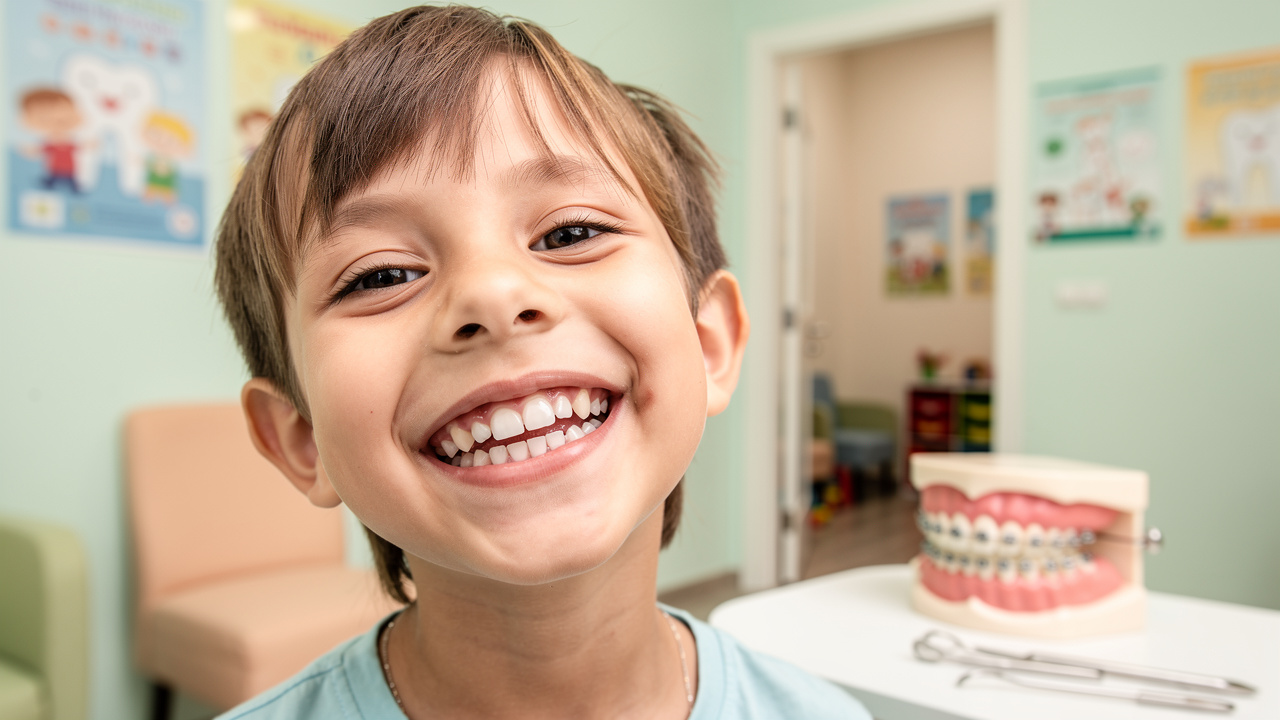
You might notice it in a photo first. One front tooth seems to sit a little higher, the top teeth do not meet the bottom teeth the way they used to, or your child starts chewing on one side and avoiding certain foods. It can be easy to wonder if this is just part of growing up or the start of something that needs attention. That uncertainty can sit in the back of your mind, especially when your child is changing so quickly. A Rockingham, NC family dentist can help you understand whether these changes are a normal part of development or a sign that it is time to seek professional guidance.
If that sounds familiar, you are not overreacting. A child’s bite can shift as baby teeth come in, fall out, and make room for adult teeth. Some changes are normal. Others are early signs that the jaw, teeth, or habits like thumb sucking are affecting how the bite develops. The good news is that family dentistry helps parents spot bite changes in children before small concerns become harder to manage.
Why can changes in a child’s bite be so easy to miss at home?
Most parents are looking at the big picture. You are making meals, helping with school, getting everyone out the door, and trying to keep up with growth spurts that seem to happen overnight. Because of that, subtle bite changes can blend into daily life. A little crowding may not seem urgent. A slight overbite may look like a family trait. Mouth breathing or speech changes may seem unrelated.
But bite development is not just about straight teeth. It also affects chewing, speech, comfort, and how the jaws grow together. According to the American Academy of Pediatric Dentistry, monitoring the developing bite and jaw alignment helps identify concerns early, when guidance can be simpler and less stressful for families. You can read more in these recommendations on developing dentition and occlusion.
So, what does a family dentist look for that you may not see right away? They often watch for crowding, crossbites, open bites, underbites, delayed tooth eruption, and jaw shifts when a child closes their mouth. They also compare changes over time, which matters because one visit alone does not always tell the whole story.
What problems can happen when bite changes go unnoticed?
This is where many parents feel stuck. If your child is not in pain, it can feel reasonable to wait. Yet some bite issues do not cause pain at first. They show up as worn teeth, speech trouble, uneven chewing, or a child who avoids smiling because something feels off.
For example, a prolonged thumb sucking habit or frequent pacifier use may affect tooth position and jaw growth. The American Academy of Pediatrics explains how these habits can influence the mouth as children get older, especially if they continue past the toddler years. Their guidance on pacifiers and thumb sucking can help you understand what is typical and when to pay closer attention.
There are also medical and developmental factors to consider. Some children have delayed tooth eruption, extra teeth, missing teeth, or jaw differences that change how the bite forms. MedlinePlus offers a helpful overview of tooth development and eruption concerns, which can give parents a clearer sense of what deserves a closer look.
Because of this, recognizing bite problems early with a family dentist is less about fear and more about timing. Early awareness can create more options, and in many cases, a dentist may simply monitor growth rather than recommend immediate treatment.
How does family dental care compare to watching and waiting on your own?
Parents know their children best, and your instincts matter. Still, regular dental visits add a trained eye, records over time, and a chance to connect habits, growth, and tooth position before changes become obvious. That can make a real difference.
| What You Notice at Home | What a Family Dentist May Catch | Why It Matters |
| Teeth look a little crowded | Early loss of space for adult teeth | May guide timing for monitoring or referral |
| Your child chews on one side | Crossbite or jaw shift | Can affect jaw growth and tooth wear |
| A gap or tooth coming in “late” | Delayed eruption or blocked tooth | Helps rule out development concerns |
| Open mouth posture or thumb sucking | Open bite or narrowing of the upper jaw | Habit changes may prevent worsening |
| No pain, so it seems fine | Subtle alignment problems without symptoms | Many bite issues are easier to manage early |
A good family dentist does not just check for cavities. They follow patterns. They compare photos, growth, and eruption timing. They also explain what is normal, what should be watched, and what may need a referral to an orthodontic specialist later on.
What can you do right now if you think your child’s bite is changing?
1. Watch for small daily clues.
Pay attention to chewing habits, speech changes, mouth breathing, tooth grinding, and whether the teeth meet evenly when your child bites down. If something looks new, take a photo every few months. That simple record can help you see patterns more clearly.
2. Ask direct questions at routine visits.
Instead of asking only whether the teeth look healthy, ask whether the bite is developing as expected. You can also ask if there are any habits, spacing issues, or jaw changes to monitor. This opens the door to a more useful conversation.
3. Do not wait for pain.
Pain is only one sign, and often not the first one. If your child has a persistent open bite, obvious crowding, delayed eruption, or trouble biting into food, schedule an evaluation. Even if the answer is “watch and recheck,” that peace of mind matters.
Where does that leave you as a parent?
You do not need to become an expert in bite development overnight. You just need to know that small changes can mean something, and that regular dental care gives you a clearer view of what is happening as your child grows. Some shifts are normal. Some deserve closer attention. The value of family dentistry is that it helps you tell the difference without guessing.
If you have started to notice changes in the way your child’s teeth fit together, trust that instinct and bring it up at the next visit. Early conversations can lead to simple answers, better timing, and less stress for your family.