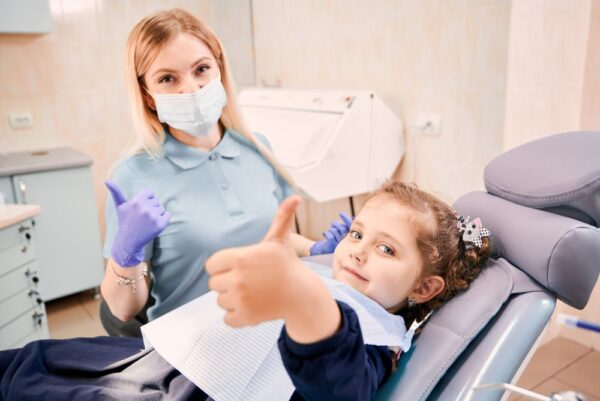
You might be feeling a mix of things when it comes to your child’s dental care. On one hand, you want healthy teeth and easy checkups. On the other, you may worry about tears in the waiting room, fear during treatment, or the cost of fixing problems later. That tension is real, and it often starts long before a child sits in the dental chair. The good news is that early, steady care can change the whole experience, especially with support from a Sunnyvale dentist. Why preventive dentistry builds confidence in young patients comes down to something simple. When children learn that dental visits are safe, predictable, and helpful, they begin to trust the process and trust themselves too.
That trust matters more than many parents expect. A child who feels calm during a routine cleaning is often the same child who speaks up when something feels wrong, brushes with less resistance at home, and carries better habits into the teen years. Preventive care is not only about stopping cavities. It also helps shape how a child sees health, discomfort, and their own ability to handle both.
Why do early dental visits shape how children feel about care later on?
Many children do not fear dentistry at first. They fear the unknown. Bright lights, new sounds, and unfamiliar tools can feel big to a small child, especially if the first visit happens because of pain. Because of this, waiting until there is a problem can make the dentist feel tied to stress from the very beginning.
Preventive visits create a different story. Instead of rushing in with a toothache, your child gets to meet the team, sit in the chair, and go through a simple exam when nothing hurts. That small shift can lower anxiety in a lasting way. According to MyHealthfinder guidance on caring for your child’s teeth, regular dental checkups help catch concerns early and support healthy habits. Early care also gives children repeated proof that a dental visit does not have to be scary.
So, where does that leave you as a parent? It means every low stress visit becomes practice. Your child learns what to expect. They hear calm words, ask questions, and leave having handled something new. That is how confidence grows. Not all at once, but one ordinary appointment at a time.
What happens when preventive dentistry for children is delayed?
When routine care gets pushed aside, small issues can turn into bigger ones. Plaque builds up quietly. A tiny weak spot becomes a cavity. Gum irritation starts to hurt. Then the child who might have managed a quick cleaning now needs treatment they were never prepared for. That can feel like a lot, both for the child and for you.
There is also the emotional side. If your child’s first strong memory of a dentist is pain, numbness, or a longer visit than they can handle, they may start to connect all dental care with fear. That fear can follow them for years. In some families, it leads to skipped visits, more decay, and a cycle that gets harder to break.
Research from the CDC’s oral health tips for children reminds parents that brushing with fluoride toothpaste, healthy eating habits, and regular dental care all work together to reduce tooth decay. Tooth decay is common, but common does not mean harmless. If left untreated, it can affect eating, sleeping, speech, and school focus.
And what if your child already feels nervous? That does not mean you missed your chance. It only means they may need a slower, steadier path back to feeling safe. A caring general dentist can help make that possible through routine visits that build familiarity rather than fear.
How does preventive oral care compare with waiting for problems to appear?
It often helps to see the difference clearly. Preventive oral care for kids is usually simpler, easier to plan for, and easier on a child’s emotions than treatment that starts after pain appears.
| Approach | What It Usually Looks Like | Effect on Confidence | Effect on Time and Cost |
|---|---|---|---|
| Preventive care | Regular exams, cleanings, fluoride, home brushing support, early advice | Builds trust through calm, repeat experiences | Often shorter visits and fewer surprise expenses |
| Problem based care | Visits after pain, visible decay, swelling, or broken teeth | Can increase fear if the first memory involves discomfort | Often more treatment time and higher costs later |
This does not mean every preventive visit is perfect or every treatment visit is upsetting. Children are children, and some days are harder than others. Still, the pattern matters. When care begins early and stays steady, children often feel more in control. They know the routine, and that sense of control can soften worry in a big way.
It also helps to remember that oral health is tied to overall health. MedlinePlus explains the importance of caring for your teeth and gums because problems in the mouth can affect comfort, nutrition, and daily life. For children, that daily life includes learning, social confidence, and feeling good about their smile.
What can you do now to help your child feel more confident at the dentist?
Start before there is a problem. Try to schedule regular checkups instead of waiting for pain or visible decay. A simple visit gives your child a chance to build comfort without pressure. If your child is very young or has had a hard experience before, tell the office ahead of time so the team can adjust the pace.
Practice calm routines at home. Brushing and flossing are not just hygiene tasks. They are confidence builders. When your child learns, “I can take care of my teeth,” that belief often carries into the dental office. Keep your tone steady, use simple language, and praise effort more than perfection.
Talk about the dentist in a neutral, reassuring way. Avoid saying things like “Do not be scared” because children often hear the word “scared” first. Instead, describe what will happen in plain terms. You might say, “They will count your teeth and make sure your mouth is healthy.” Familiar words can make unfamiliar places feel less overwhelming.
Can regular dental care really change how a child sees themselves?
Yes, and often in quiet ways that build over time. A child who feels proud of brushing well, who gets through a cleaning with less worry, or who smiles without hiding their teeth is learning more than oral hygiene. They are learning that health care does not have to happen to them. It can be something they take part in with growing confidence.
That is the heart of why preventive dentistry builds confidence in young patients. It lowers fear, supports healthy habits, and gives children repeated chances to succeed in a setting that once may have felt uncertain. If you have been putting off routine care, it is okay to start now. One steady step can lead to a much easier path for your child, both in the dental chair and beyond.