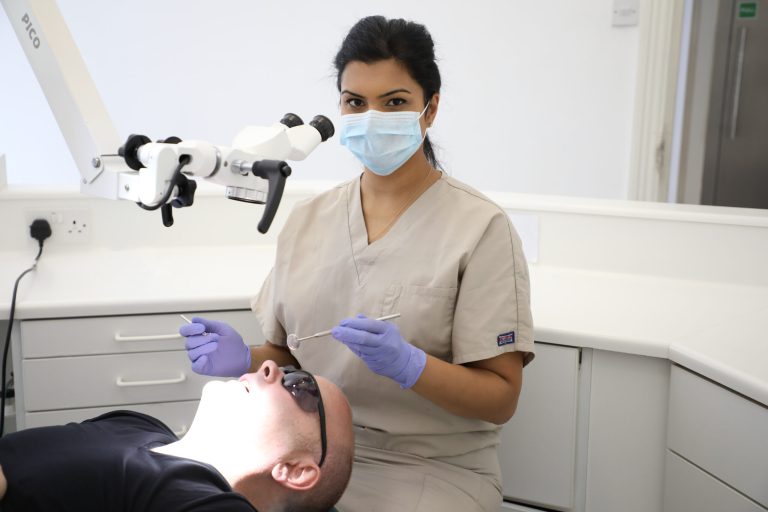
A growing number of patients in the capital are turning to implant dentistry to replace missing teeth with solutions that look and feel natural. Anyone searching for a reliable dental implant London option soon discovers that the process involves more than a single appointment and a simple screw. Implant treatment is a carefully planned medical and dental procedure that unfolds in stages, each one designed to support long-term success and comfort. Understanding what lies ahead helps people make informed decisions, manage their expectations, and prepare for the time and care required. The aim is not only to restore a smile but also to protect jaw health, speech, and overall wellbeing in a practical and predictable way.
Early in the consultation phase, patients often seek reassurance from experienced clinicians. Dr. Sahil Patel of MaryleboneSmileClinic advises that people should always take time to understand their options, asking detailed questions and reviewing visual treatment plans before committing. He notes that those wanting to explore examples or patient information can click on the clinic’s website to see how London dental implant dentistry is approached in a clear, step-by-step way. His emphasis is on education rather than persuasion, encouraging individuals to feel confident that the treatment suits their oral health, lifestyle, and long-term goals.
A thorough assessment that goes beyond missing teeth
The first thing most patients notice about implant treatment is how detailed the initial assessment is. Unlike simpler dental procedures, implants require an understanding of the entire oral environment, not just the gap where a tooth is missing. Dentists examine the health of the gums, the amount and quality of jawbone, the position of neighbouring teeth, and the way the upper and lower jaws meet. Digital scans, X-rays, and sometimes three-dimensional imaging are used to build an accurate picture of the mouth, allowing clinicians to predict how well an implant will integrate.
This stage is also where medical history becomes important. Conditions such as diabetes, osteoporosis, or certain medications can influence healing and bone health, so they are factored into the plan. Lifestyle elements like smoking or heavy grinding of teeth may also affect outcomes. By identifying risks early, dentists can adjust the approach, whether that means recommending bone grafting, suggesting a change in habits, or timing the procedure carefully.
Patients often find this comprehensive planning reassuring because it demonstrates that implants are not placed casually. They are positioned with millimetre precision to ensure stability and natural appearance. The assessment phase also allows for discussion about the type of implant and crown that will be used, including materials and expected lifespan. Although it can take a few appointments, this groundwork is what supports the long-term success that makes implants such a trusted option in modern dentistry.
A personalised treatment plan rather than a one-size-fits-all approach
After the assessment, the next expectation is a treatment plan that reflects individual needs rather than a generic template. Implant dentistry in London caters to people of different ages, oral health backgrounds, and cosmetic preferences, so the plan must account for these variables. Some patients may require a single implant, while others need multiple implants or even a full arch restoration. The dentist explains the sequence of steps, estimated timeframes, and how many visits are likely to be needed.
This is also the point where practical considerations are discussed. Patients learn about the type of anaesthesia or sedation that may be used, how much time off work might be required, and what kind of aftercare will be involved. Costs are outlined in detail, helping individuals understand what is included and how payment or finance options work. Transparency at this stage prevents surprises later on and allows people to budget realistically.
Importantly, the plan often includes alternative treatments for comparison. Bridges or dentures may be discussed so that patients can weigh the advantages and disadvantages. While implants are known for their stability and ability to preserve bone, they are not the only option for every case. A personalised plan respects patient choice and ensures that the selected route fits both clinical needs and personal circumstances, leading to a more satisfying experience overall.
The surgical phase and what it really feels like
The idea of implant surgery can sound intimidating, but most patients are surprised by how manageable it is in practice. On the day of the procedure, local anaesthetic is commonly used to numb the area, and sedation may be offered for those who feel anxious. The dentist or oral surgeon places a small titanium post into the jawbone where the missing tooth once sat. This post acts as an artificial root, providing a stable foundation for the replacement tooth.
During the procedure, patients typically feel pressure rather than pain. The surgical site is kept clean and controlled, and the implant is inserted with precision to avoid nearby nerves or sinuses. Once the implant is in place, the gum is either stitched over it or fitted with a small healing cap, depending on the technique used. The appointment length varies but is often shorter than people expect, especially for a single implant.
Afterwards, mild swelling, bruising, or discomfort is normal and usually managed with over-the-counter pain relief. Dentists provide clear instructions on eating, cleaning, and activity during the first few days. While it is not a completely carefree period, most patients can return to their usual routine fairly quickly, appreciating that the main work has been done and that healing can now begin.
The healing and integration period that underpins success
The postoperative period, referred to as osseointegration, is one of the characteristics that distinguish implant treatment. At this point, the titanium post is firmly anchored in place by the growing jawbone. Depending on the quality of the bone, overall health, and whether other treatments like bone grafting were required, the procedure can take several weeks to several months. This stage is what gives implants their stability and durability, despite the fact that it takes time.
During this time, patients may have a temporary crown or denture to maintain appearance and function. Dentists schedule follow-up visits to check that healing is progressing as expected and to address any concerns. Good oral hygiene is essential, as the surrounding gums need to stay healthy to support the implant. Patients are advised to brush gently, avoid hard or sticky foods, and follow any specific cleaning routines provided by the clinic.
While the waiting period can feel like a pause in the process, it is actually an active phase of biological bonding. The bone and implant become one, creating a base strong enough to withstand everyday chewing and biting. This is what sets implants apart from removable options and is why the outcome often feels like a natural tooth rather than a prosthetic.
Fitting the final crown and restoring everyday function
Once the implant has fully integrated, the focus shifts to restoring the visible part of the tooth. An abutment is attached to the implant, acting as a connector between the implant and the crown. Impressions or digital scans are taken so that a custom crown can be made to match the colour, shape, and size of the surrounding teeth. This attention to detail ensures that the new tooth blends seamlessly into the smile.
The crown itself is usually crafted from materials such as porcelain or ceramic, chosen for their strength and lifelike appearance. When it is ready, it is fitted and adjusted to ensure a comfortable bite. Patients often remark on how natural the tooth feels almost immediately, allowing them to eat, speak, and smile with renewed confidence. Unlike dentures, there is no need for adhesives or special removal routines, which makes daily life simpler.
This stage marks the visible completion of treatment, but it also represents the return of full function. Being able to chew evenly helps protect remaining teeth and reduces strain on the jaw. For many, it also brings a psychological lift, as the gap that once caused self-consciousness is no longer there. The restoration is designed to last for many years with proper care.
Ongoing care and how implants fit into normal dental routines
Patients may think the procedure is over once the crown is in place, but upkeep is what makes the investment worthwhile. Like natural teeth, implants need to be brushed, flossed, and examined by a dentist on a regular basis. To keep the area around the implant clean and avoid plaque accumulation at the gum line, special floss or tiny brushes could be suggested. This is crucial to prevent infection or inflammation that might harm the surrounding tissues.
Dentists in London emphasise that implants are not immune to gum disease. While the titanium post does not decay, the gums and bone around it can still be affected by poor oral hygiene. Routine visits allow professionals to monitor the implant, take X-rays if needed, and clean areas that are difficult to reach at home. With consistent care, implants can last for decades, often outlasting other forms of tooth replacement.
This phase of the journey feels familiar, as it fits into the regular rhythm of dental life. Patients no longer have to think about their implant as something separate from the rest of their mouth. Instead, it becomes part of a stable, healthy smile that supports eating, speaking, and social confidence in a straightforward way.
Long-term outcomes and what patients typically experience
The final expectation is how life with an implant feels over the long term. Most patients report that, after an initial period of adjustment, they forget which tooth is the implant because it behaves so much like a natural one. There is no slipping, clicking, or discomfort, and the bite feels balanced. This stability helps prevent wear on other teeth and reduces the risk of jaw joint problems caused by uneven chewing.
From an aesthetic point of view, implants maintain facial structure by preserving the underlying bone. When teeth are missing, the jawbone can shrink over time, leading to a sunken appearance. By replacing the root as well as the crown, implants help support the lips and cheeks, contributing to a healthier, more youthful look. This subtle benefit is one of the reasons many people choose implants over removable dentures.
For those who have invested in implant treatment in a busy city, the reward is a solution that fits seamlessly into everyday life. Whether it is enjoying a meal, speaking in a meeting, or smiling in photos, the confidence that comes from a secure, natural-looking tooth is often the most appreciated outcome of all.