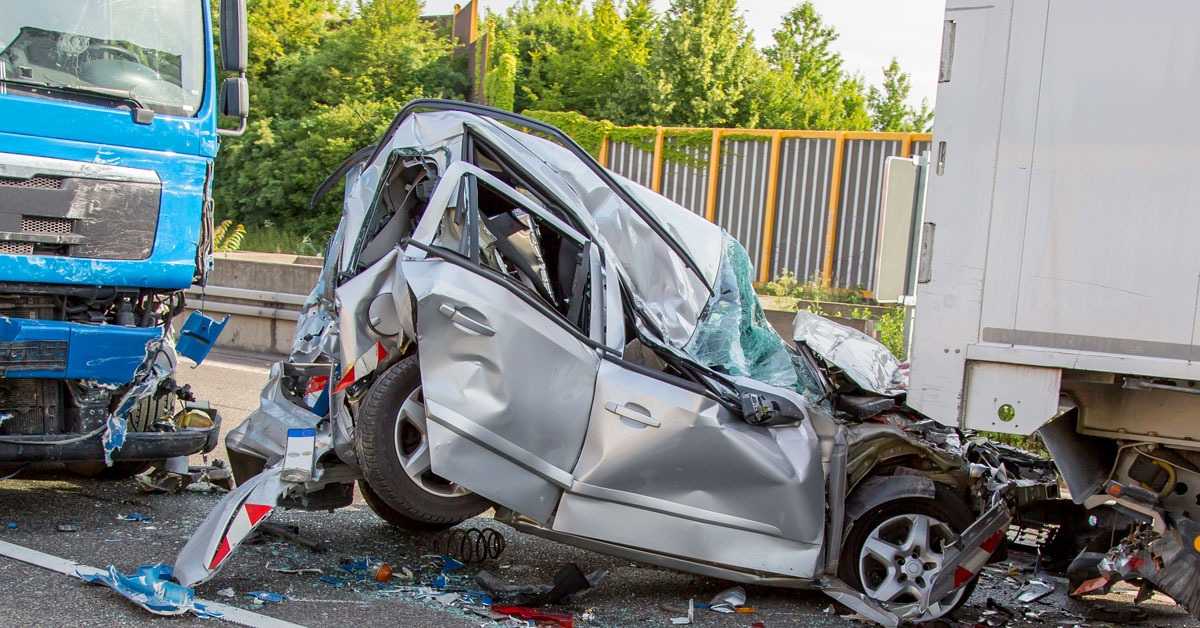
Truck accidents in the San Fernando Valley can leave victims facing devastating injuries, mounting medical bills, and overwhelming stress. With the area’s busy highways and commercial traffic, these accidents are unfortunately all too common. Navigating the legal process to seek compensation can feel daunting, especially when dealing with powerful trucking companies and their insurers.
Understanding the key legal aspects of truck accident claims is crucial for protecting one’s rights. From determining liability to negotiating settlements, the process involves unique challenges that differ from standard car accident cases. Knowing what to expect can make all the difference in securing fair compensation.
Analyzing 2025 Crash Data: How Common Are Truck Collisions in SFV?
Truck-related collisions in the San Fernando Valley (SFV) accounted for significant traffic accidents in 2025. State data revealed that over 12% of all reported crashes in the area involved commercial trucks, reflecting a steady increase compared to prior years. These incidents predominantly occurred on major highways like Interstate 5 and State Route 118.
Heavy trucking traffic in SFV contributed to elevated collision risks. Statistics indicated that peak accident times aligned with early morning delivery hours and evening rush periods. Cargo transport and logistical delays frequently caused congested conditions and heightened the likelihood of collisions.
Factors influencing truck accident rates included driver fatigue, equipment failure, and inadequate training. Statewide reports highlighted that nearly 8% of truck accidents were linked to mechanical defects, while driver-error incidents accounted for roughly 65%. High traffic volumes in urban areas further complicated safe navigation for large vehicles.
The necessity of legal representation, such as consulting a Truck Accident Attorney San Fernando Valley, becomes clear given the complex liability issues in multi-party crashes. Key data insights help victims understand risks and advocate for justice effectively.
Key Differences Between Truck and Standard Car Accident Claims
Truck accident claims often involve more complex factors compared to standard car accidents. Trucks are subject to specific federal and state regulations, such as those governed by the Federal Motor Carrier Safety Administration (FMCSA). These regulations, addressing driver qualifications, vehicle maintenance, and hours of service limits, play a significant role in determining liability. A thorough understanding of these laws is essential to building a strong case.
Unlike car accidents, truck accidents frequently involve multiple liable parties. Parties may include the truck driver, trucking company, vehicle manufacturer, or maintenance provider. For example, a driver fatigue-related crash may implicate both the driver and the employer if regulatory violations are discovered. Identifying all responsible parties can increase the likelihood of securing compensation.
Damages in truck accidents are typically higher due to the severity of injuries and property damage. Trucks’ size and weight often result in catastrophic outcomes compared to collisions between standard cars. Victims may seek compensation for extensive medical bills, long-term rehabilitation, lost income, and emotional distress.
Insurance coverage is another key distinction. Commercial trucking policies often have higher liability limits than standard car policies. However, this also means insurance companies for trucking entities may aggressively dispute claims. Consulting with legal professionals, such as a truck accident attorney in San Fernando Valley, can help victims effectively counter such disputes and pursue rightful compensation.
Evidence collection in truck accidents requires specific expertise. Records like electronic logging device (ELD) data, truck maintenance logs, and cargo loading reports are crucial. Standard car accident claims rarely involve this technical documentation. Ensuring this evidence is preserved can be critical in determining negligence and building a strong legal argument.
Understanding Federal vs. State Regulations for Commercial Vehicles
Federal and state regulations for commercial vehicles play a crucial role in determining liability in truck accident cases. Federal laws, governed by the Federal Motor Carrier Safety Administration (FMCSA), apply nationwide and set the baseline safety standards. These include limits on driving hours, requirements for electronic logging devices (ELDs), maintenance schedules, and minimum insurance coverage. For example, federal regulations mandate that commercial trucks carry liability insurance ranging from $750,000 to $5 million, depending on the cargo type.
State regulations, including those enforced in California, often supplement federal standards. California imposes stricter rules in certain areas, such as higher insurance minimums for hazardous material carriers and specific safety standards for operating on state roads. The state also conducts inspections through the California Highway Patrol (CHP) to ensure compliance with both state and federal laws.
In the San Fernando Valley, truck accident claims often involve violations of these regulations. Common breaches include exceeding maximum driving hours, falsified logbooks, or failure to perform required vehicle inspections. An experienced truck accident attorney in the San Fernando Valley examines both federal and state compliance to identify negligence. For instance, obtaining ELD data can reveal if a truck driver violated hours-of-service limits, directly impacting liability.
Understanding the interplay between federal and state laws is essential for building a strong case. Federal regulations apply universally, but state-specific laws address localized conditions, such as roadway restrictions or environmental concerns. Victims may strengthen their claims by working with attorneys, such as HHT Law Firm, who specialize in navigating the complexities of multi-jurisdictional trucking cases and securing rightful compensation.
Gathering Evidence: Black Box Data, Logs, and Camera Footage
Securing detailed evidence strengthens truck accident claims. Black box data, also known as electronic control module (ECM) data, records critical information such as vehicle speed, brake usage, and engine performance just before and during the collision. This can pinpoint driver actions or vehicle malfunctions that contributed to the accident.
Driver logs, including those maintained through electronic logging devices (ELDs), verify compliance with mandated hours of service regulated by the Federal Motor Carrier Safety Administration (FMCSA). These logs expose violations like excessive driving hours or falsified records, often linked to accidents caused by fatigue.
Camera footage from dashcams or nearby traffic surveillance provides real-time visuals, capturing the events leading up to and during the crash. This visual evidence helps reconstruct the accident and clarify fault. Trucking companies frequently retain this footage for internal reviews, although swift legal action may be necessary to preserve it.
An experienced truck accident attorney in San Fernando Valley, such as those at HHT Law Firm, analyzes these records to establish negligence. Collecting black box data, logs, and camera footage promptly ensures vital evidence isn’t lost or deliberately altered.
Who Can Be Held Liable? Truck Drivers, Employers, and Maintenance Teams
Liability in trucking accidents often involves multiple parties due to the operational structure of the commercial trucking industry. Each party’s role in maintaining safety and complying with regulations is critical in determining fault.
- Truck Drivers
Drivers play a significant role in accident liability. Common causes include violations of hours-of-service regulations, which lead to fatigue, and negligent driving behaviors such as distracted or reckless driving. Federal regulations require drivers to adhere to strict safety protocols, and failure to comply can establish negligence. For example, a driver exceeding speed limits or operating under the influence may hold primary liability in an accident.
- Employers
Trucking companies are often vicariously liable for their drivers’ actions under the legal principle of respondeat superior. An employer’s negligence in hiring or supervising drivers, such as failing to conduct thorough background checks or provide adequate training, can also constitute liability. Furthermore, companies frequently face scrutiny for encouraging unsafe schedules or neglecting to enforce compliance with federal and state regulations, contributing to dangerous practices.
- Maintenance Teams
Proper truck maintenance is essential to prevent mechanical issues like brake failures or tire blowouts. If a maintenance team neglects routine inspections, uses substandard parts, or fails to repair known defects, they may share responsibility for an accident. Maintenance logs often serve as critical evidence in such cases, allowing victims and their representatives, such as a skilled truck accident attorney in San Fernando Valley, to identify lapses in vehicle upkeep.
Liability often extends across multiple parties, particularly in complex cases involving large commercial operations. Experienced legal teams, like HHT Law Firm, can evaluate the full scope of negligence by reviewing driver records, corporate policies, and maintenance schedules to build a comprehensive claim.
How Legal Teams Prove Negligence in Multi-Vehicle Truck Accidents
Truck accident claims in the San Fernando Valley demand a strategic approach to uncover negligence and secure rightful compensation. Legal teams meticulously analyze evidence, including black box data, driver logs, and maintenance records, to establish fault. They also navigate the complexities of federal and state regulations to identify violations that contribute to liability.
With multiple parties often involved, experienced attorneys work to pinpoint negligence among drivers, trucking companies, and maintenance providers. Their expertise ensures victims have the best chance of recovering damages for medical expenses, lost income, and emotional suffering. By leveraging detailed evidence and legal knowledge, skilled representation plays a pivotal role in achieving justice for truck accident victims.