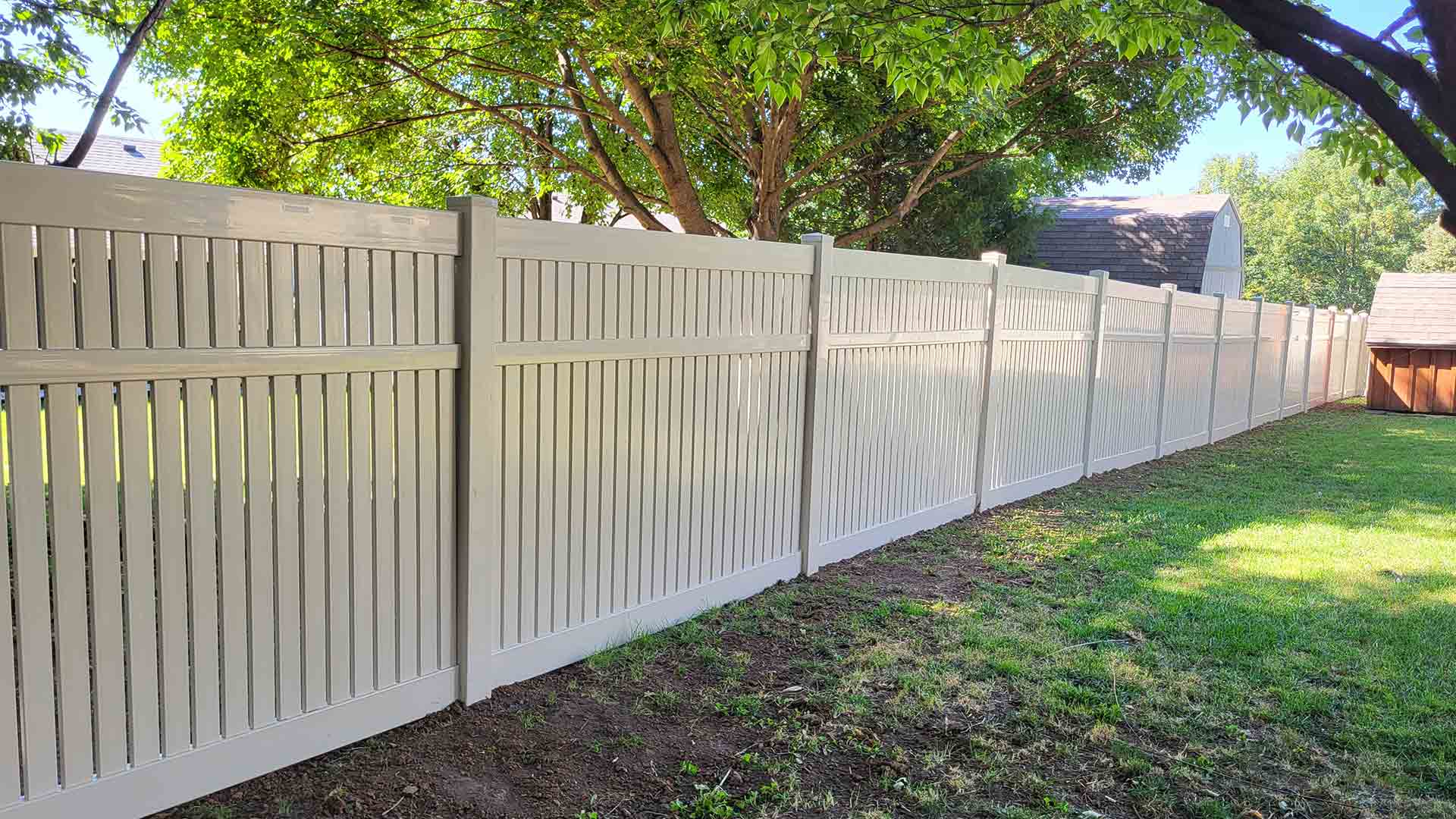
Choosing the right fence for a property is more than just a design decision—it’s about balancing durability, maintenance, and cost. In 2025, homeowners are increasingly torn between two popular options: vinyl and wood fencing. Each material offers unique benefits and challenges, making the decision a critical one for long-term satisfaction.
Vinyl fencing is known for its low-maintenance appeal and modern look, while wood fencing carries timeless charm and natural beauty. However, factors like climate, budget, and upkeep play a significant role in determining the best fit. Understanding the pros and cons of each can help homeowners make an informed choice that suits their needs and lifestyle.
Upfront Installation Costs: Vinyl vs. Wood in Today’s Market
Vinyl fencing typically has higher upfront costs compared to wood. In 2025, the average installation cost for vinyl fencing ranges between $25 and $40 per linear foot, depending on factors such as fence height and additional customization. These costs reflect the durable synthetic materials and longer lifespan vinyl offers.
Wood fencing, on the other hand, remains more budget-friendly upfront. Standard wood fencing costs between $15 and $30 per linear foot. Material choice impacts price significantly, with options like Cedar Rustic wood generally sitting at the higher end of the price range due to its enhanced resistance to decay and desirable aesthetics.
While vinyl minimizes long-term replacement expenses, wood fencing may demand more frequent repairs and treatments, influencing its overall lifetime cost. Homeowners evaluating a Fence Material Comparison must consider how much weight they place on initial affordability vs. future durability.
Lifespan Expectations for Both Materials in Midwest Conditions
Vinyl fencing generally lasts 20 to 30 years in Midwest conditions, thanks to its resistance to weathering, rot, and pests. Its synthetic composition prevents issues like warping and cracking under temperature fluctuations common in this region. Proper installation and occasional cleaning can further extend its lifespan.
Wood fencing, including popular options like cedar and rustic pine, typically lasts 10 to 15 years in similar conditions. Exposure to Midwest humidity, precipitation, and temperature extremes can accelerate decay and promote insect damage, reducing durability. Treating or staining the wood regularly and replacing damaged sections can help maintain its structural integrity but will not match vinyl’s longevity.
This fence material comparison highlights that vinyl provides longer-term value through reduced replacements, while wood offers a shorter lifespan but aligns with aesthetic preferences for natural materials. Climate resilience plays a crucial role in determining which material performs better over time.
Which Fence Type Requires More Long-Term Maintenance?
Vinyl fencing demands minimal ongoing maintenance. Its synthetic composition resists rot, rust, and insect damage. Routine cleaning with soap and water suffices to retain its appearance, eliminating the need for staining or sealing. This makes vinyl a low-maintenance option for homeowners prioritizing convenience.
Wood fencing requires significantly more upkeep over time. Materials like Cedar Rustic and pine are prone to weathering, rot, and insect infestations, especially in humid climates. Regular treatments, including staining or sealing every 2–3 years, help protect against these risks. Repairs for warping or splitting boards may also be necessary to maintain structural integrity and aesthetic appeal.
In a fence material comparison, wood involves higher maintenance efforts and costs than vinyl due to its susceptibility to natural elements. While wood enhances traditional charm, its upkeep demands commitment over its lifespan.
Aesthetic Appeal: Natural vs. Synthetic Looks in Residential Fencing
Vinyl fencing delivers a sleek, uniform appearance ideal for modern residential designs. Its synthetic material offers consistent coloring and texture, free from grain variations. Available in a range of styles and colors, vinyl can mimic painted wood or present a minimalist look, making it a popular choice for those seeking a polished, contemporary aesthetic.
Wood fencing provides a natural and timeless charm that complements traditional and rustic home styles. Materials like Cedar Rustic feature a unique grain pattern and warm tones that enhance the organic feel. The natural variation in wood texture adds character, but this variation can result in less uniformity compared to vinyl. Over time, weathering can alter wood’s appearance, creating a weathered patina that some homeowners find appealing.
Both options cater to distinct preferences—vinyl suits those favoring a clean, low-maintenance appearance, while wood appeals to individuals prioritizing authenticity and warmth in fence aesthetics.
Eco-Impact of Vinyl vs. Sustainably Harvested Wood
When choosing between vinyl and wood fencing, eco-conscious homeowners should consider the environmental impact of each material. Vinyl, made from synthetic materials, isn’t biodegradable but offers longevity, reducing the need for frequent replacements. On the other hand, sustainably harvested wood provides a renewable option, though it requires more resources for maintenance and may have a shorter lifespan.
Both options have their merits, but the choice ultimately depends on individual priorities. Whether it’s durability, aesthetics, or sustainability, understanding the trade-offs ensures homeowners select a fence that aligns with their values and needs.