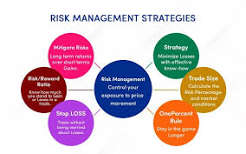
Risk is an unavoidable part of running any business. Every decision, from launching a product to entering a new market, carries some level of uncertainty. While risk cannot be completely eliminated, it can be managed, minimized, and strategically controlled. Successful entrepreneurs understand that reducing risk is not about avoiding action but about making smarter, more informed decisions.
In modern business environments, risk management is closely tied to planning, structure, and compliance. Even foundational administrative steps such as submitting the NNC1 Form during company incorporation represent the beginning of structured risk reduction. This form is part of the official company registration process and ensures that a business is legally recognized, properly documented, and aligned with regulatory standards from the very beginning.
Businesses that fail to manage risk effectively often face financial instability, operational breakdowns, or legal complications. On the other hand, companies that adopt strong risk reduction strategies are more resilient, adaptable, and capable of long term success.
Understanding Business Risk
Business risk refers to the possibility of events or conditions that could negatively impact a company’s performance, profitability, or stability. These risks can come from internal factors such as poor management or inefficient processes, as well as external factors such as market changes, economic downturns, or regulatory shifts.
Risk is present in every aspect of business, including finance, operations, marketing, human resources, and compliance.
Understanding risk is the first step toward managing it effectively. Entrepreneurs must recognize that risk is not always negative. In fact, some level of risk is necessary for growth and innovation.
The goal is not to eliminate risk entirely but to control it in a way that supports sustainable business development.
Why Risk Reduction Matters in Business
Risk reduction is essential because it protects businesses from unexpected disruptions that can threaten survival.
Unmanaged risk can lead to financial losses, damaged reputation, legal issues, and operational failures.
Reducing risk improves decision making by providing clarity and structure.
It also increases investor confidence, as stakeholders prefer businesses that demonstrate stability and foresight.
Even regulatory processes such as submitting the NNC1 Form help reduce risk by ensuring that a company is properly registered and compliant with legal requirements from the outset.
Businesses that actively manage risk are more likely to achieve consistent growth and long term success.
Building a Strong Business Foundation
A strong foundation is the first and most important step in reducing risk. Without proper structure, businesses are more vulnerable to instability.
This foundation includes legal registration, financial systems, operational processes, and governance structures.
Proper incorporation ensures that the business operates within legal boundaries.
Processes such as completing the NNC1 Form are critical in establishing this foundation, as they formalize the business and reduce legal uncertainty.
A strong foundation also improves decision making and resource management.
Financial Risk Management
Financial risk is one of the most common challenges businesses face. It includes issues such as cash flow problems, excessive debt, and poor budgeting.
To reduce financial risk, businesses must maintain accurate financial records and monitor cash flow regularly.
Budgeting and forecasting help ensure that expenses remain under control.
Diversifying revenue streams also reduces dependency on a single source of income.
Financial discipline is essential for long term stability and growth.
Operational Risk Control
Operational risk arises from failures in internal processes, systems, or human performance.
This can include supply chain disruptions, technology failures, or inefficiencies in workflows.
To reduce operational risk, businesses must develop standardized processes and ensure proper training for employees.
Automation can also help reduce human error and improve consistency.
Strong operational systems ensure that the business runs smoothly even under pressure.
Legal and Compliance Risk Reduction
Legal and compliance risks can have serious consequences if not managed properly.
Businesses must ensure that they comply with all relevant laws and regulations in their operating environment.
This includes maintaining proper documentation, filing required forms, and adhering to corporate governance standards.
The NNC1 Form is an example of a critical compliance requirement during company formation, ensuring that the business is officially registered and recognized by regulatory authorities.
Compliance reduces the risk of penalties, legal disputes, and reputational damage.
Market Risk Management
Market risk refers to changes in customer demand, competition, or economic conditions.
Businesses must stay informed about market trends and adapt their strategies accordingly.
Conducting regular market research helps identify potential risks early.
Flexibility in product offerings and pricing strategies can help businesses respond to market changes.
Diversification across markets or customer segments also reduces exposure to risk.
Strategic Planning for Risk Reduction
Strategic planning plays a central role in managing risk.
A well developed strategy helps businesses anticipate challenges and prepare solutions in advance.
Scenario planning allows businesses to evaluate different outcomes and prepare for uncertainty.
Clear goals and structured plans reduce confusion and improve decision making.
Strategic planning ensures that risk management is proactive rather than reactive.
Strengthening Leadership and Decision Making
Leadership is critical in identifying and managing risk effectively.
Strong leaders make informed decisions based on data, analysis, and experience.
They also ensure that risk management practices are implemented across the organization.
Good leadership encourages accountability and transparency.
Without strong leadership, risk management efforts often become inconsistent or ineffective.
Enhancing Business Flexibility
Flexibility is a key strategy for reducing risk.
Businesses that can adapt quickly to change are better able to survive uncertainty.
Flexibility includes adaptable business models, scalable operations, and responsive decision making.
Rigid systems increase vulnerability to unexpected disruptions.
Even early structural flexibility, such as the ability to properly manage incorporation processes like the NNC1 Form, reflects the importance of adaptability in business operations.
Using Data to Identify and Reduce Risk
Data is one of the most powerful tools for risk management.
It helps businesses identify patterns, predict outcomes, and make informed decisions.
Data analysis can reveal financial weaknesses, operational inefficiencies, or market changes.
Businesses that use data effectively are better prepared to handle uncertainty.
However, data must be accurate and properly interpreted to be useful.
Technology and Risk Management
Technology plays a major role in reducing business risk.
Automation tools reduce human error and improve efficiency.
Cybersecurity systems protect sensitive business information.
Analytics platforms help monitor performance and identify potential risks early.
Technology also enables faster response to unexpected challenges.
Businesses that invest in technology are better equipped to manage modern risks.
Human Resource Risk Management
Employees are a critical part of any business, but they can also be a source of risk if not properly managed.
Poor training, lack of communication, and unclear responsibilities can lead to errors and inefficiencies.
Businesses must invest in training and development programs.
Clear job roles and performance expectations help reduce confusion.
Strong organizational culture also improves reliability and accountability.
Reputation Risk Management
Reputation is one of the most valuable assets of any business.
Negative customer experiences, poor communication, or unethical behavior can damage reputation quickly.
Businesses must prioritize customer satisfaction and transparency.
Consistent branding and communication help build trust.
Reputation management is essential for long term success.
Continuous Monitoring and Improvement
Risk management is not a one time process. It requires continuous monitoring and improvement.
Businesses must regularly review their operations and identify new risks.
Performance tracking helps detect early warning signs.
Adjustments must be made quickly to prevent problems from escalating.
Continuous improvement ensures long term stability.
Conclusion
Business risk cannot be eliminated, but it can be effectively managed through strategic planning, strong leadership, financial discipline, and operational efficiency.
Businesses that prioritize risk reduction are more stable, resilient, and capable of sustainable growth.
Even foundational processes such as submitting the NNC1 Form play an important role in reducing early stage risk by ensuring legal compliance and proper business registration.
Ultimately, successful entrepreneurs are not those who avoid risk completely, but those who understand it, manage it wisely, and use it as a tool for informed decision making.
FAQs
What is business risk?
Business risk refers to the possibility of events that negatively affect a company’s performance or stability.
Why is risk management important?
It helps protect businesses from financial loss, legal issues, and operational failures.
How does the NNC1 Form help reduce risk?
It ensures proper legal registration and compliance during company formation, reducing legal uncertainty.
What is financial risk in business?
Financial risk includes issues like cash flow problems, debt, and poor financial planning.
How can businesses reduce operational risk?
By improving processes, training employees, and using automation systems.
Why is strategic planning important for risk reduction?
It helps businesses anticipate challenges and prepare solutions in advance.
What role does technology play in risk management?
Technology improves efficiency, enhances data analysis, and reduces human error.
Can risk be completely eliminated in business?
No, but it can be managed and minimized effectively through proper strategies.